

Are you setting up a home office but unsure how much space you really need? Whether you’re converting a spare room, carving out a corner in your living area, or designing a workspace from scratch, understanding the average home office size can make all the difference in your comfort and productivity. With remote work becoming a permanent fixture for millions, the right workspace dimensions aren’t just a luxury—they’re a necessity.
So, what is the ideal size for a home office? Industry experts suggest that the average home office falls between 70 to 150 square feet, depending on your work style and needs. But size alone isn’t the only factor—how you use that space matters just as much. A cramped 50-square-foot nook might work for a minimalist freelancer, while a creative professional or someone who hosts clients may need a larger, more flexible area. The key is balancing functionality with comfort—ensuring you have enough room for a desk, storage, and movement without feeling boxed in.
In this guide, we’ll break down the average home office size by work type, explore space-saving hacks for small areas, and even look at future trends shaping home office design in 2025. Whether you’re working with a spacious dedicated room or a compact multi-purpose setup, you’ll discover how to maximize your productivity without sacrificing style or ergonomics. Ready to create the perfect workspace? Let’s dive in!
Here’s a detailed explanation of each point regarding home office sizing and design, keeping the keyword “average home office size” to a maximum of two natural inclusions:
Breaking Down the Average Home Office Dimensions
The dimensions of a home office can vary significantly depending on its intended use and the overall space available within a dwelling. For individuals requiring a dedicated workspace, such as for solo work, the ideal footprint typically ranges from 70 to 150 square feet. This allows ample room for a desk, chair, and basic storage, ensuring a comfortable and functional environment. However, for those engaged in more specialized activities, like creative endeavors or executive tasks that may involve large materials, multiple monitors, or client meetings, the recommended size increases to between 120 and 150 square feet. This larger area accommodates the need for more extensive work surfaces, additional equipment, or extra seating.
In scenarios where a full dedicated room isn’t feasible, multi-purpose spaces offer a practical alternative. These compact setups, often utilizing a corner or a section of a larger room, can function effectively within a smaller area of 50 to 70 square feet. The design often incorporates space-saving furniture and clever organizational solutions to maximize utility. Furthermore, regional trends play a role in determining the typical home office size. For instance, urban environments, with their generally smaller living spaces, tend to feature more compact home offices. In contrast, suburban and rural homes, which often have more generous square footage (e.g., 2,500 sq ft homes), might allocate a larger proportion, typically 10–15% of the home’s total square footage, to a dedicated office space, reflecting the varied architectural norms and real estate availability across different regions.
Minimum Space Requirements
Establishing a functional home office, even within limited dimensions, necessitates careful consideration of minimum space requirements for essential furniture and movement. A standard desk generally measures between 48 and 60 inches wide and 24 to 30 inches deep. Crucially, adequate clearance is needed around the desk for comfortable use of the chair and movement. A minimum of 30 inches of clearance behind the chair is recommended to allow for easy entry, exit, and swiveling. This ensures that the user can move freely without feeling confined.
For storage, especially in smaller offices, vertical solutions are paramount. Shelves that extend upwards and under-desk drawers or filing cabinets are excellent ways to maximize storage capacity without encroaching on valuable floor space. This vertical approach helps keep the work area tidy and free from clutter, which is essential for maintaining focus and productivity. Beyond furniture, ergonomics is a critical factor. The desk height should ideally be between 28 and 30 inches to promote proper posture and reduce strain. Similarly, optimal monitor placement is vital; the top of the screen should be at or slightly below eye level, and positioned at an arm’s length (20-30 inches) from the user, to prevent neck and eye strain. Adhering to these ergonomic principles ensures that even a minimal home office setup supports long-term comfort and well-being.
Ideal Sizes by Work Type
The ideal average home office size is largely dictated by the specific type of work being performed, as different tasks demand varying amounts of space and resources.
Solo Work:
For individuals primarily engaged in solo work, such as writing, coding, remote customer service, or administrative tasks, an area ranging from 70 to 100 square feet is generally considered ideal. This size, roughly equivalent to an 8×8 foot room, provides sufficient space for a basic setup. This includes a standard desk, an ergonomic office chair, and essential storage solutions like a small bookshelf or a filing cabinet. The focus for solo work is on creating a focused, distraction-free environment that supports concentration and individual productivity.
This size allows for comfortable movement around the desk without feeling cramped, and enough wall space for a monitor or two, ensuring that the primary tools of the trade are easily accessible. It’s about providing a dedicated zone where one can fully immerse themselves in their tasks without spatial limitations.
Creative Work:
Professionals involved in creative work typically require more generous space to accommodate their unique needs. This category includes artists, graphic designers, architects, engineers, or anyone working with large materials, multiple screens, or specialized equipment. For these individuals, an ideal size falls within the range of 100 to 150 square feet. This increased footprint allows for larger work surfaces, such as drafting tables or expansive desks, which are essential for spreading out plans, canvases, or multiple design elements.
The extra room also provides space for specialized storage for art supplies, large format printers, or additional computing equipment. The larger area facilitates the movement necessary for these hands-on creative processes and ensures that the workspace doesn’t feel cluttered, even when dealing with numerous components of a project. This size enables a free flow of ideas and materials, which is crucial for creative output.
Collaborative Offices:
When a home office needs to serve as a hub for collaborative work, accommodating multiple individuals or hosting client meetings, the space requirements significantly increase. For such setups, a minimum of 150+ square feet is recommended. This ample space allows for more than one workstation, making it possible for multiple team members to work simultaneously and comfortably. Crucially, it provides enough room for a dedicated meeting area, complete with a table and chairs, where discussions, presentations, or client consultations can take place without disrupting individual workstations.
The larger footprint also offers the flexibility to incorporate collaborative tools like whiteboards, projectors, or video conferencing equipment. The aim here is to create a versatile environment that seamlessly supports both individual focus and interactive group activities, ensuring that the home office can function as a productive and professional meeting space. The overall average home office size for these collaborative settings is significantly larger than for solo work to support diverse functions.
Top bestseller home office desk

- 30 minutes assembly – The package comes with step-by-step instructions, clearly labeled parts, and a specialized L-shape…
- Height Adjustable Standing Desk – The sit to stand desk is height adjustable from “28.3” to “45.6”, with smoothly and qu…
- Outstanding Stability – The electric standing desk boasts powerful lift system to ensure a smooth, steady, quieter opera…
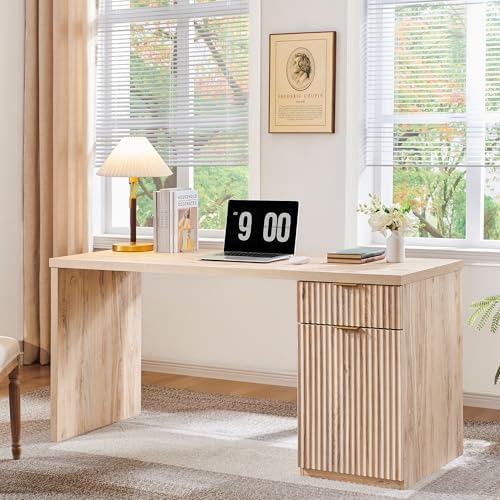
- Spacious Design: Embrace the expansive 60-inch surface area that offers ample room for your laptop, documents, and all t…
- Textured Elegance with Seamless Charging: The subtle grooves on our panels are not just functional—they celebrate th…
- Flexible Configuration: The innovative reversible design of the file cabinet allows you to customize the computer desk’s…
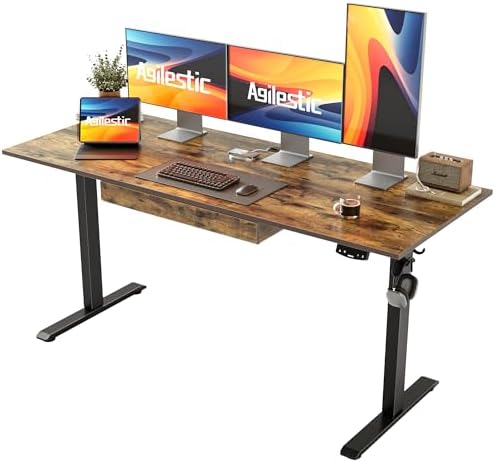
- 【Intellegent Lifting System】Agilestic standing desks are equipped with an advanced motor and support height adjustment b…
- 【Classic Wooden Drawer】Environment-friendly wood material provides spacious storage space. The classic design suits all …
- 【Sturdy Frame and Durable Motor】Industrial grade steel frame and T-shaped frame design ensures that this sit-stand desk …

- 【Freestanding 2 piece Home Offices Furniture Set】: 63 inches computer desk and 32 inch filing cabinet, you will love the…
- 【Large 63 “ computer table】The large 63″ X 31″ x 30”(L *W*H) desk top big enough for your laptop, second monitor, a lamp…
- 【32 “ lateral filing cabinet】:Mobile office storage cabinet 32 “X16”X30”(L *W*H) a separate secondary work surface on th…

- 【Modern Stylish Fluted Panel Drawer Design】: Elevate your workspace with our office desk, showcasing a unique fluted pan…
- 【Open Storage Compartment Designed for Integrated Cable Management】: Featuring a cable management hole behind the upper …
- 【Customizable Home Office File Drawer】: The bottom file drawer includes an adjustable metal bar for hanging Letter, Lega…

- 𝐒𝐩𝐚𝐜𝐢𝐨𝐮𝐬 𝐖𝐨𝐫𝐤 𝐒𝐮𝐫𝐟𝐚𝐜𝐞: With a spacious 63”L x 27.6”W desktop, this black executive desk provides plenty of room for la…
- 𝐕𝐞𝐫𝐬𝐚𝐭𝐢𝐥𝐞 𝐃𝐞𝐬𝐤 𝐟𝐨𝐫 𝐀𝐧𝐲 𝐒𝐩𝐚𝐜𝐞: Ideal for home offices, this desk functions as a computer desk, executive desk, or small c…
- 𝐒𝐭𝐲𝐥𝐢𝐬𝐡 𝐚𝐧𝐝 𝐌𝐨𝐝𝐞𝐫𝐧 𝐃𝐞𝐬𝐢𝐠𝐧: Featuring a sleek wood-grain finish and black metal legs, this writing desk adds a modern tou…

- 【Ideal Space】This computer desk has a spacious desktop. The desktop size is 65″L*19″W and 62.2″L*19″W or 108 inch two pe…
- 【6 Large Fabric Drawers】Coming with a fabric file drawer, fabric drawers, printer cabinet with powerful storage space. F…
- 【User Friendly】The L shaped computer desk includes a built-in power strip with 4 outlets & 2 USB Ports provides convenie…
Space-Saving Tips for Small Areas
Optimizing a small home office requires smart design choices that maximize functionality without creating a cluttered environment. One highly effective strategy is to use modular partitions or foldable furniture. Modular systems allow for flexible configurations that can be adapted to different needs, while foldable desks or chairs can be stowed away when not in use, instantly reclaiming floor space. This adaptability is crucial for multi-purpose rooms where the office might need to disappear for other activities.
Another excellent tip is to opt for multifunctional designs. Examples include Murphy beds with integrated desks, which transform a bedroom into an office and back again, or L-shaped desks that provide ample work surface by utilizing corner spaces efficiently. These designs combine several functions into one piece of furniture, reducing the overall footprint required. Furthermore, leveraging vertical storage is indispensable in small areas. Wall-mounted shelves, tall bookcases, and even pegboards can store books, supplies, and decorative items, keeping the desk surface clear and organized. Finally, maximizing natural light can significantly enhance the perception of space, making a small office feel brighter and more open. Positioning desks near windows and using light-colored decor can amplify this effect.
Future Trends (2025)
The home office is continually evolving, driven by technological advancements, a deeper understanding of human well-being, and changing work models. Looking ahead to 2025, several key trends are expected to define the future of the home office, influencing its design, functionality, and the overall user experience.
Biophilic Design and Wellness Zones
One of the most significant trends anticipated for home offices in 2025 is the widespread adoption of biophilic design and the integration of wellness zones. Biophilic design emphasizes connecting occupants with nature, incorporating natural elements like abundant natural light, indoor plants, natural materials (wood, stone), and views of greenery. The aim is to create a calming and invigorating atmosphere that reduces stress, improves air quality, and enhances overall mental and physical well-being. For example, a home office might feature a living wall, large windows overlooking a garden, or materials that evoke the natural world.
This trend goes beyond aesthetics, focusing on creating spaces that inherently support human health and productivity. By integrating these elements, home offices will become more than just a place to work; they will be restorative environments that promote sustained focus and a positive mood. The average home office size might not drastically change due to this trend, but the allocation of space within it could shift to accommodate dedicated wellness corners or plant installations.
Smart Tech Integration
The future home office will be highly integrated with smart technology, enhancing both ergonomics and efficiency. This includes features like adjustable desks that can seamlessly transition between sitting and standing positions, often controlled by voice commands or smartphone applications, promoting better posture and reducing sedentary behavior. Smart lighting systems will also become standard, automatically adjusting brightness and color temperature throughout the day to mimic natural light cycles, reducing eye strain and improving circadian rhythms.
Beyond these, anticipate more advanced integrations such as automated climate control, integrated wireless charging pads, and even personalized environmental settings that adapt to individual preferences. The goal is to create a seamless and responsive workspace where technology works intuitively to support the user’s comfort, health, and productivity, minimizing distractions and optimizing daily tasks.
Hybrid Layouts for Flexibility
As hybrid work models become the norm, requiring workers to split their time between a corporate office and home, hybrid layouts for flexibility will be a crucial trend for home offices. This approach focuses on creating versatile spaces that can easily adapt to different needs throughout the day or week. For instance, a single room might serve as a focused workspace during business hours but quickly transform into a guest bedroom, a recreational area, or a family hub in the evenings or weekends.
This flexibility will be achieved through the use of modular and multi-functional furniture, such as foldable desks, murphy beds with integrated workstations, and movable partitions. The design emphasizes maximizing every square foot, allowing the home office to serve multiple purposes without compromising on either function. This adaptability is key to accommodating the dynamic nature of modern work-life balance, making the home office a more integrated and functional part of the entire living space, regardless of the overall average home office size.

Conclusion: Finding Your Perfect Home Office Size
Choosing the right average home office size is more than just measuring square footage—it’s about creating a space that enhances productivity, comfort, and well-being. Whether you’re working with a compact 50-square-foot corner or a spacious 150-square-foot dedicated room, the key is tailoring the area to fit your unique work style. From ergonomic desk setups to smart storage solutions, every detail contributes to a workspace that helps you stay focused and efficient.
As remote and hybrid work continue to evolve, understanding the average home office size ensures you invest in a setup that grows with your needs. Whether you’re a minimalist freelancer, a creative professional requiring extra space, or someone who frequently hosts virtual meetings, the right dimensions can make all the difference. And with emerging trends like biophilic design and smart office technology, your workspace can be both functional and inspiring.
Now that you’ve explored the ideal dimensions, space-saving tips, and future trends, we’d love to hear from you! What’s your home office size, and how did you optimize it? Share your thoughts in the comments below—your experience could inspire others. If this guide helped you, don’t forget to like and share this post with fellow remote workers, entrepreneurs, or anyone designing their perfect workspace. Together, let’s build home offices that don’t just meet the average but exceed expectations! 🚀
What’s your home office setup like? Drop us a comment—we’re excited to hear your ideas!

